Building Culture, Community, and Connection
On a Saturday morning at Coyote Ridge Corrections Center (CRCC) in eastern Washington State, something quietly remarkable was unfolding. As people cheered side by side, encouraged one another through a running course, and shared moments of humor and connection, it was sometimes difficult to distinguish who was prison staff and who was incarcerated.
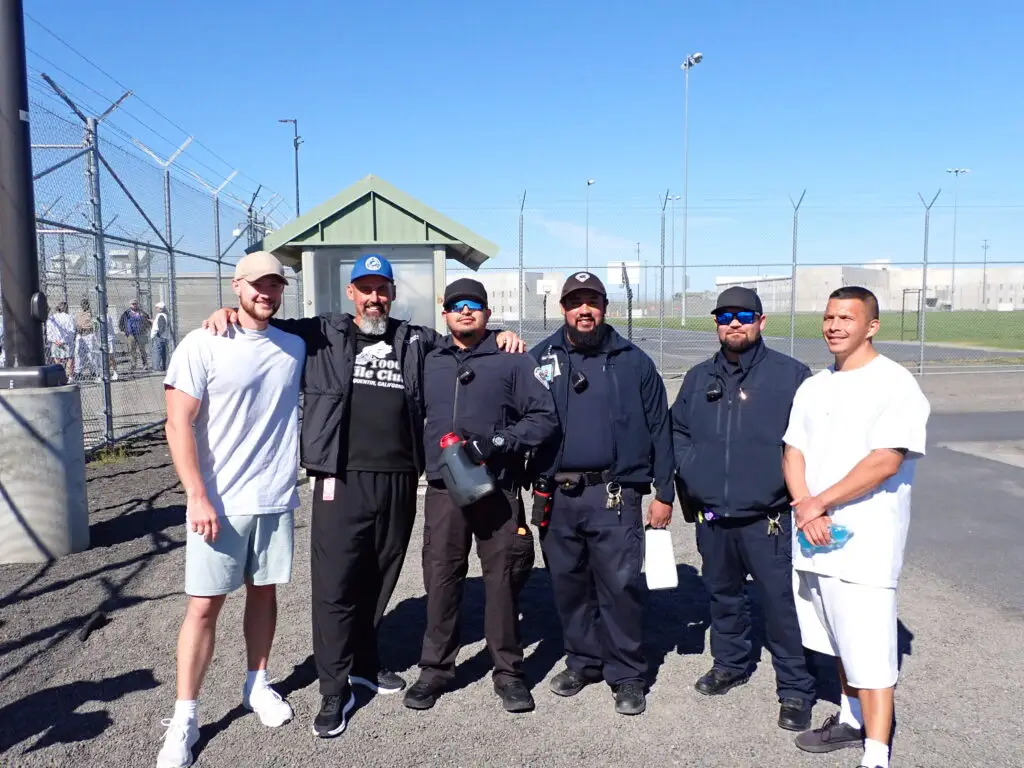
The Coyote Ridge Run Club Race and BBQ, held in late April, offered a striking reflection of what is possible in U.S. prisons when people come together to think beyond punishment and control and embrace values like connection, health, and shared purpose. Prison staff, residents, correctional leaders, and community guests gathered for 5K and 10K races, barbecue, and a morning spent together in meaningful activity grounded in well-being and mutual respect. More than 40 incarcerated men took part in the races, supported by 15 staff who ran, volunteered, or cheered from the sidelines. Meanwhile, other men incarcerated at CRCC served as timekeepers, photographers, and supporters.
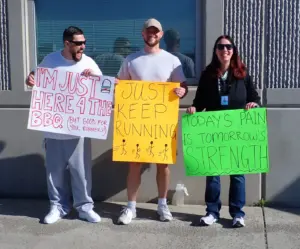 The Coyote Ridge Run Club, which meets weekly, is based on a simple but meaningful principle: building community through dedication and hard work should be as important inside prison as it is outside prison, a prison reform concept known as “normalization.” As one incarcerated leader explained, “Anyone can join, as long as they show up and put in the work.” Every Saturday morning, participants gather to train, often alongside staff sponsors who make the 45-minute drive on their days off.
Roots in Collaborative Learning and Exchange
The run club grew out of a cross-institutional exchange between the Washington and California Departments of Correction. Through their partnership with Amend, prison staff from Washington State Penitentiary learned about the 1,000 Mile Club at San Quentin Rehabilitation Center, a long-standing program that uses distance running to support rehabilitation and community building. Inspired by the work at San Quentin, staff sponsors from Washington State Penitentiary launched their own Run Club, which later inspired staff and residents at Coyote Ridge to establish a running club of their own. On a visit to Washington in early 2026 as part of an Amend program, San Quentin Warden Chance Andes promised he would travel to Washington if a race was ever held there. On April 25, 2026, that promise was realized at an event that stood apart because of the breadth of support from departmental leadership and external partners. Attendees included Washington Department of Corrections Secretary Tim Lang, agency and facility leaders, and visitors from San Quentin’s 1,000 Mile Club – including Warden Andes.
The event embodied several core international correctional principles: normalization, rehabilitation, and healthy living. A run club is an ordinary activity in communities throughout the US. Bringing it inside prison walls helps narrow the divide between life inside and life outside, while creating opportunities for teamwork, community building, and health.
For some participants, the experience can be transformative. That was true for Tommy Wickerd, who co-founded the 1,000 Mile Club while incarcerated at San Quentin and has since been released. Wickerd attended the Coyote Ridge race alongside Warden Andes, whom he had come to know during his incarceration. At the close of the event, the two addressed the men incarcerated at Coyote Ridge together. Wickerd spoke about hope, perseverance, and his own journey. Reflecting on what running meant to him while incarcerated, he said, “When I was running, I felt free. It didn’t feel like I was incarcerated.”
Building Community Inside and Out
Across Washington, similar efforts are beginning to take shape in different ways.
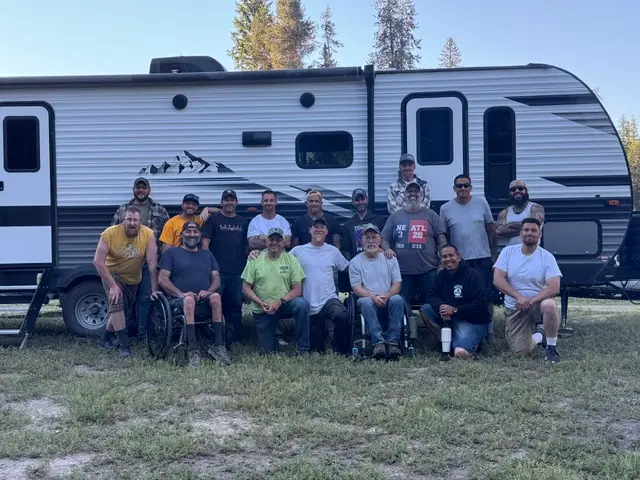
On that same day in April, five incarcerated members of the Washington State Penitentiary East Complex Run Club stepped beyond the prison grounds and onto the Bennington Lake trails in Walla Walla. Staff surprised the men with a community trail-run, a dramatic contrast to the bi-weekly run they typically complete inside the prison. Running alongside staff and community volunteers, the group weaved through tall grass and along the lake’s edge in a setting that, for a moment, expanded what felt possible.
The running club, known as The Concrete Conquerors, was established in 2024 by facility staff and community volunteers. This marked their first run in the community.
Staff and volunteers lined the trail to cheer them on, and passing community members joined in. For the runners, the experience represented a powerful shift. They were no longer set apart from the community. They were part of it.
This has been huge for me…It’s helped my mental health and kept me on the right track. It gives me something positive to focus on.
-Incarcerated participant
When asked about the goals of the run club, correctional specialist Steven Glenn, who co-leads the club, explained, “It’s to let them know that there’s people that care, that when they get out, there are other options.”
For one incarcerated participant, the impact was deeply personal. “This has been huge for me,” he said. “It’s helped my mental health and kept me on the right track. It gives me something positive to focus on.”
One correctional officer who attended the event on his day off intentionally wore a Department of Corrections sweatshirt to let the men know that staff supported them. After the run he spoke to the men. “I told them they were pathfinders,” he said. “They were creating groundwork for things that haven’t happened here before.”
Weeks later, he was still reflecting on the experience. “It felt like the dawning of a new era,” he said. “Things can be different.” Like the Coyote Ridge race, the community run was never only about pace or distance. It was about trust, growth, and the opportunity to demonstrate what can happen when people are given meaningful opportunities and support.
Expanding What’s Possible
Together, these efforts point to a broader shift in prison culture happening in Washington State. Whether inside prison walls or, in some cases, extending beyond them, prison leaders and staff are partnering with incarcerated people to create space for connection, accountability, and well-being – and challenging long-standing assumptions about what correctional environments can be.
Perhaps most striking is the sense of possibility these programs inspire. When asked whether events like the Coyote Ridge race could be replicated in other facilities, Washington Department of Corrections Secretary Lang responded simply: “Why can’t we? What’s stopping us?”
It is a compelling question. Programs like these require relatively little financial investment, yet they offer meaningful returns in morale, connection, accountability, and health – for incarcerated people and for prison staff. These moments, whether a race inside a prison or a run in the community, are about far more than exercise. They are about reimagining what is possible, reminding us that incarcerated people remain a part of our larger community, and demonstrating that even small efforts can move institutions closer to dignity, respect, and genuine human connection.