Amend logo

Our mobile experience is launching soon.
Please visit us on desktop or reach us at info@amend.us.

A Public Health Approach to Addressing Prison Harms

Transforming prisons and jails from institutions of isolation and punishment to centers of rehabilitation, health, and humanity.
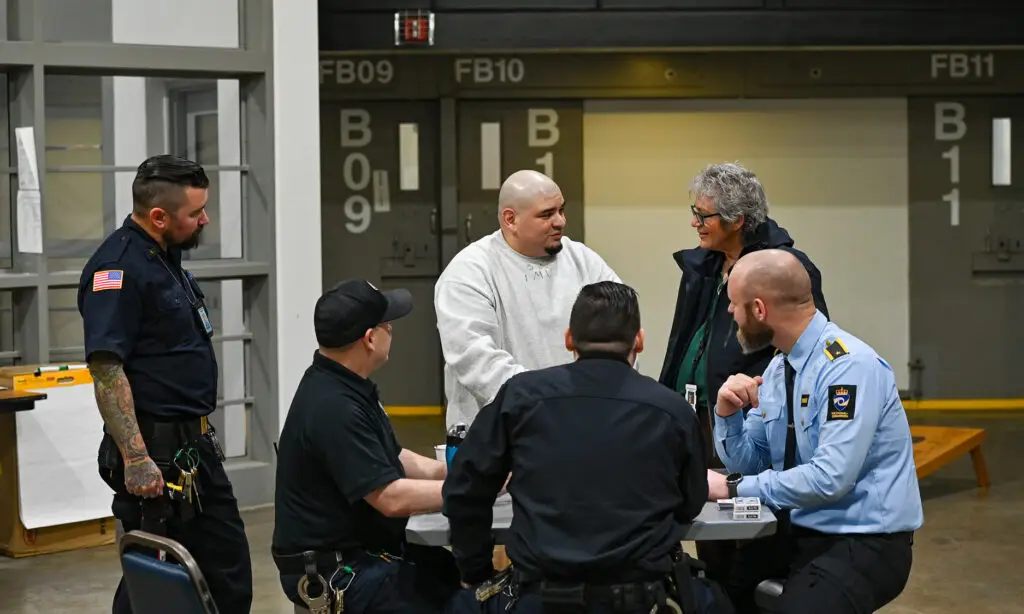
We take action to reduce harm in prisons today, while working to fundamentally transform the US justice systems of tomorrow. 

A PUBLIC HEALTH CRISIS

The current US prison system shortens lives, spreads trauma, and weakens communities.​

Incarcerated people and prison staff suffer from disproportionately high rates of chronic illness, depression, and suicide, while facing constant threats of violence. This reality constitutes a public and occupational health crisis that directly impacts families, communities, and public safety.

Our approach

We offer evidence-based solutions for sustainable prison reform.

We draw on public health, occupational health, and international best practices to improve outcomes for everyone who lives and works in US jails and prisons. We take a multidisciplinary approach to program development, direct staff training, change management, advising policymakers, and academic research.

HOW WE WORK

Our goal is to create the necessary conditions for transformative correctional culture change, from the top down and the ground up.

We inspire and support immediate changes in prison environments, policies, and daily interactions. We engage with the people who shape, run, and live in prisons to rethink the purpose, culture, and everyday conditions of incarceration – and to make change sustainable.

What We Do

We work to improve the safety, health, and well-being of people who live or work in prison, while cultivating leaders who are dedicated to improving the conditions and culture in their own prison system.  Learn more about our key initiatives:
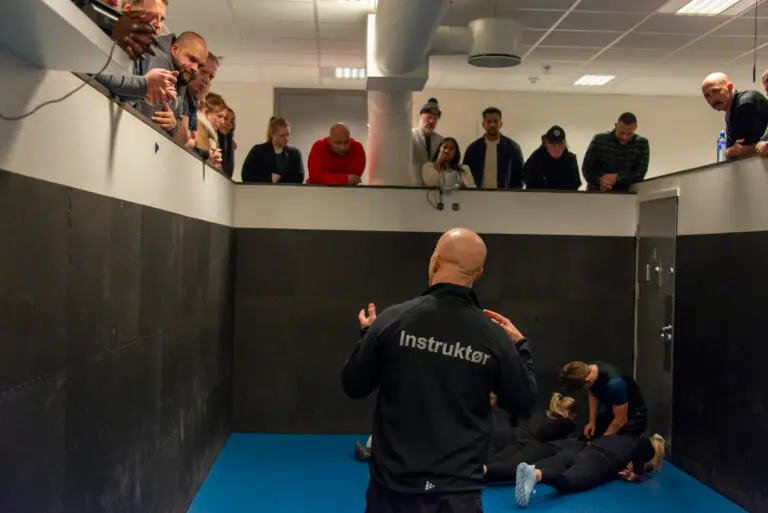
A Norwegian trainer perfoms a demonstration at KRUS, the Norwegian Correctional Service Academy

Global Learning Experiences

We lead a robust set of immersive international exchange programs designed to foster a global community of culture change leaders dedicated to placing health, healing, and rehabilitation at the center of prison policy and operations.
Amend has contributed to systemwide change in California, Washington, and Massachusetts

System & Prisonwide Transformation

We provide strategic consultation and technical assistance to help government and prison system leaders translate their aspirations for transformative change into sustainable, actionable plans through proactive, effective change management.
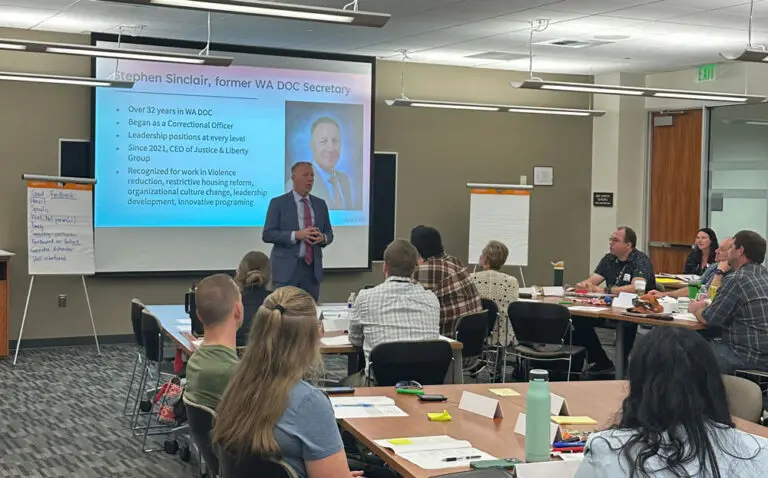
Former WA DOC Secretary giving a presentation during a leadership training

Leadership Exchanges for Action & Dignity

We create project-based LEAD Networks to connect correctional leaders, staff, policymakers, and incarcerated people with counterparts in other systems to advance innovative work, build professional identity, and provide and receive mentorship across state and national borders.
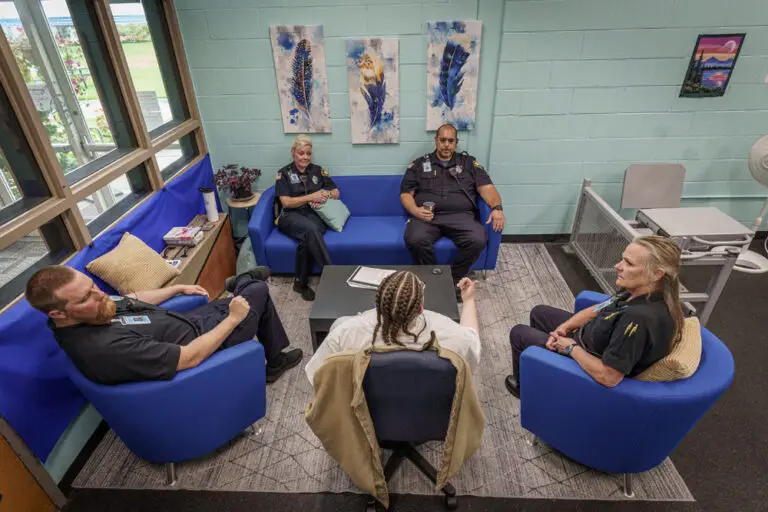
Resource Team members meet with a prison resident at WCCW in Washington

Eliminating Solitary Confinement

We train and support prison staff to achieve rehabilitative outcomes with high-needs, high-risk individuals by setting goals for behavior change, increasing meaningful out-of-cell time, reengaging with mental health professionals, and supporting transitions to lower-security settings.
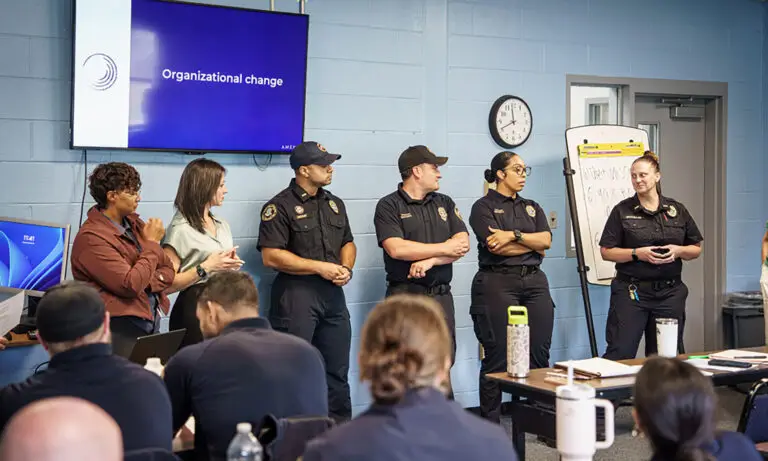
Several correctional officers stand at the front of the room to present on organizational change at Maloney Training Center in Connecticut

Professional Development & Training

We equip correctional leaders and staff with the knowledge, skills and professional identity they need to actualize living and working environments that are more safe, healthy, and humane.
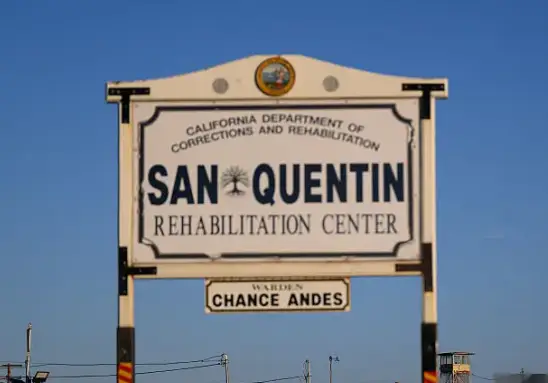
San Quentin Rehabilitation Center, CDCR

Policy Advancement

We provide evidence-based recommendations to align correctional policies with operational standards and procedures rooted in humanity, accountability, safety, and excellence in care.
Stay informed

See all articles>

Read our latest articles and impact stories to learn more about our programs and our progress.

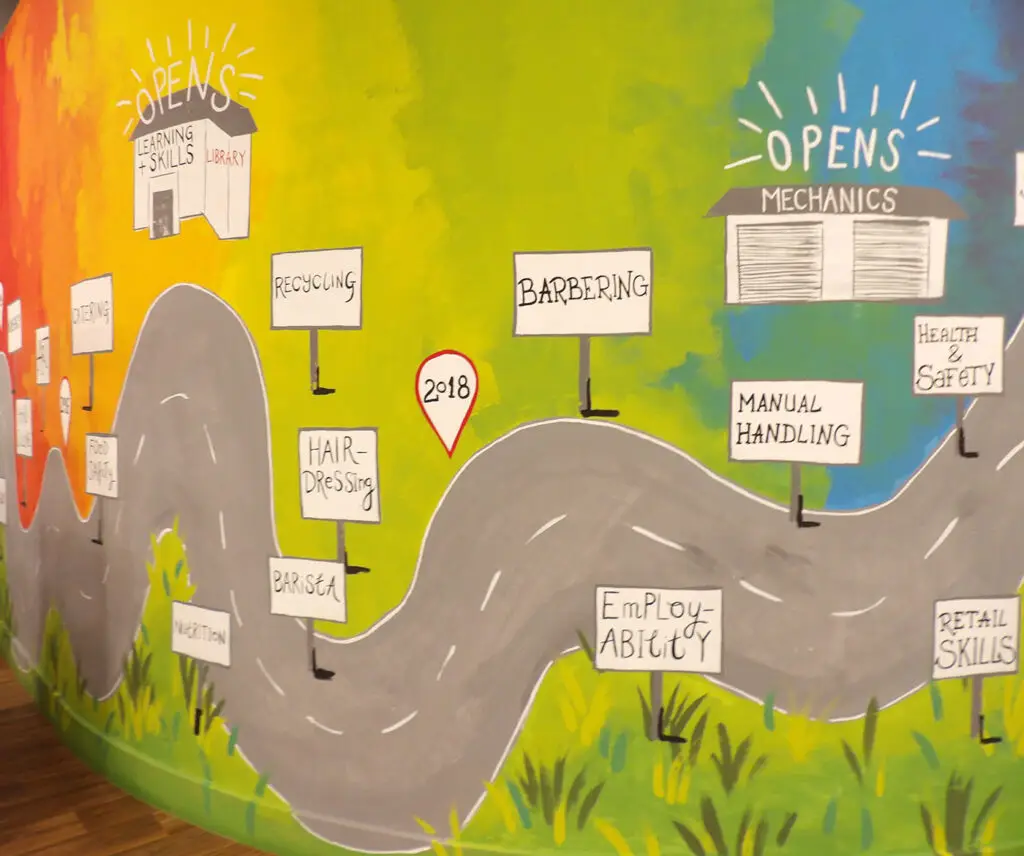
A mural at Hydebank Wood depicting a road with milestones of achievement

1. While estimates vary, PTSD rates among correctional officers and incarcerated people are consistently substantially higher than even rates among military veterans and police officers.
Sources: Lerman et al. (2022), Spinaris et al. (2012), James et al. (2018), US Department of Veterans Affairs, Young et al. (2025)

2. Self-harm is also more prevalent among incarcerated women, with annual rates estimated at 20–24% compared with 5–6% among men.
Sources: Lerman et al. (2022), Vera Institute of Justice, Favril et al. (2022), SAMHSA (2026), BJS (2021).

3. Correctional officers have historically shown reduced life expectancy compared to the general population (59 years in a study prior to 1984; 66 years among Connecticut staff in 2015), but modern, multi-state research is needed.
Sources: Brower (2013), Dugan et al. (2016), Cheek, F. Stress Management for Correctional Officers and Their Families. American Correctional Association; 1984.

5. Source: Cloud et al. (2023).